
Tuesday morning was so beautiful I kept driving after I dropped the kid at school. Ended up at my favorite magnet: Couchville Cedar Glade. Continue reading “Couchville Cedar Glade 5/24/16”
Author: Joanna Brichetto
Writer, Naturalist
Catalpa flowers

Catalpas are in full bloom in Nashville. These are the big trees with leaves like giant hearts; with flowers like white, ruffled bells; and pretty soon, with dangling pods like green cigars. Hearts, bells, cigars. Catalpas bring out the similes. Continue reading “Catalpa flowers”
White Pine “Flowers”
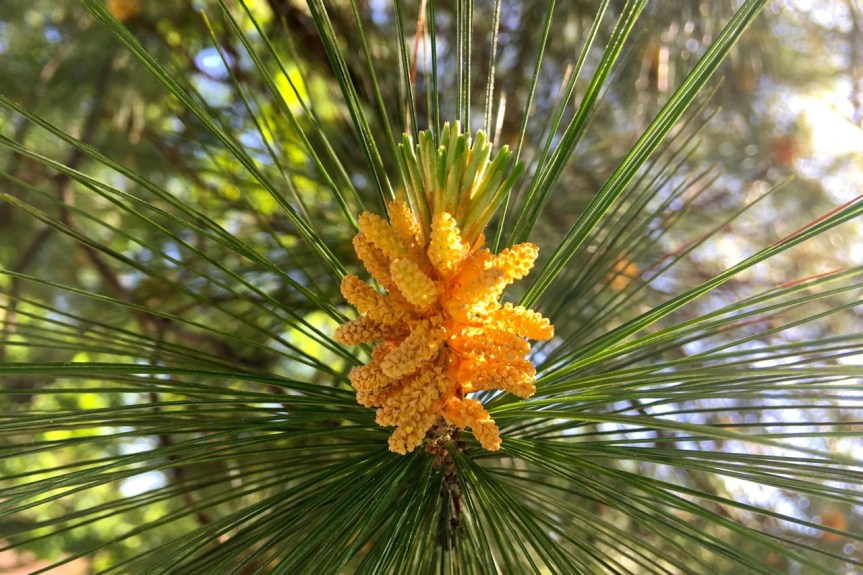
Holy pollen, I’ve lived next door to a white pine for years and hadn’t noticed the flowers till today. Now is prime bloom time, so where is your nearest white pine? Surely there is one, or a dozen close by. They are natives here, but are widely planted as ornamentals and as living privacy fences. Continue reading “White Pine “Flowers””
Willow oak flowers


Willow oak (Quercus phellos) leaves emerging.
Remember how the elms flowered and fruited first, and then leafed? Oaks let it all hang out at the same time. And unlike elms, oaks are helped by pollinating insects.
I’ve loved three willow oaks so far: Continue reading “Willow oak flowers”
Driveway-Crack Flowers: White Clover
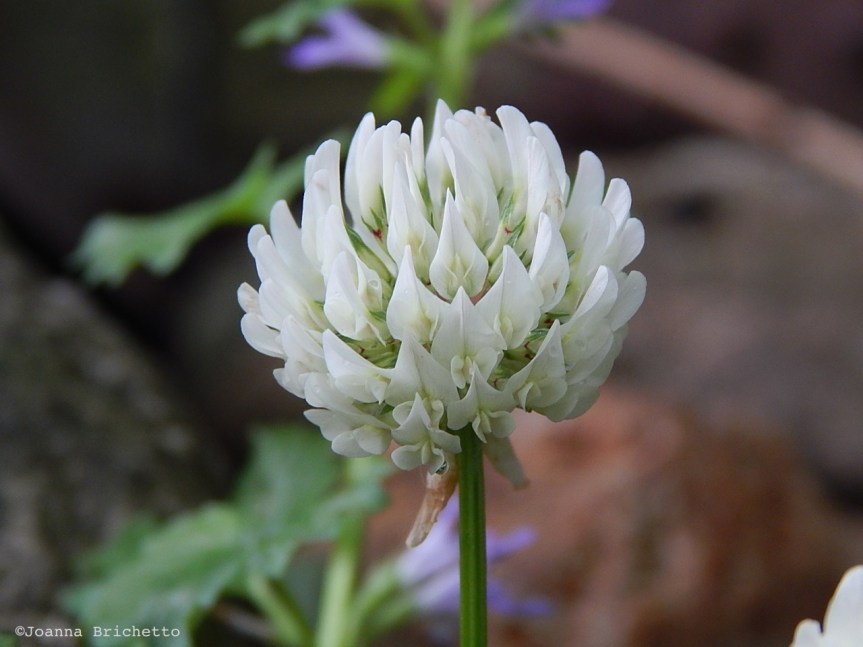
White clover seeded itself into our driveway cracks, so I took photos yesterday, the better to learn it.
Each flower is flowers: a globe of up to 50 tiny flowers, each with “a small standard and two side petals that enclose the keel.” So says Illinioswildflowers.info.
Standard? Like the synonym for flag? Continue reading “Driveway-Crack Flowers: White Clover”
Black locust bloom
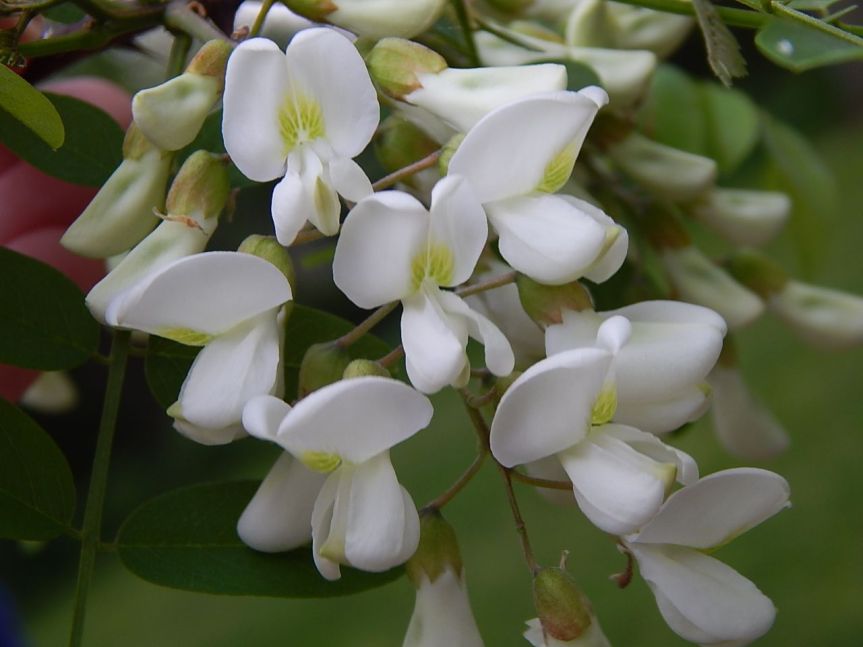
Look around the interstates right now, and the white trees you see are black. Black locust. There may be dogwood lingering, and I hope there is, but the two can’t be confused. Locust blooms are not little white plates stretched on graceful branches in the understory: rather, they are white bunches of grapes drooped from scraggly canopy. And they smell divine. Continue reading “Black locust bloom”
Spring yard salad
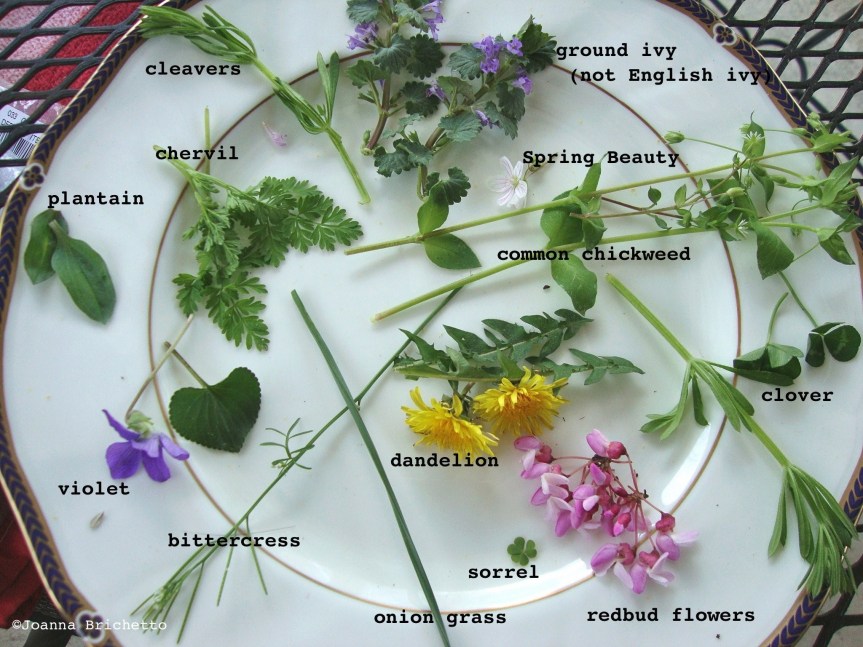
Yard Salad. An incomplete list, and a couple years old, but I wanted to put it back out there. There are benefits to being lazy and cheap and not mowing too soon in the spring. Continue reading “Spring yard salad”
Dwarf. Lark. Spur.
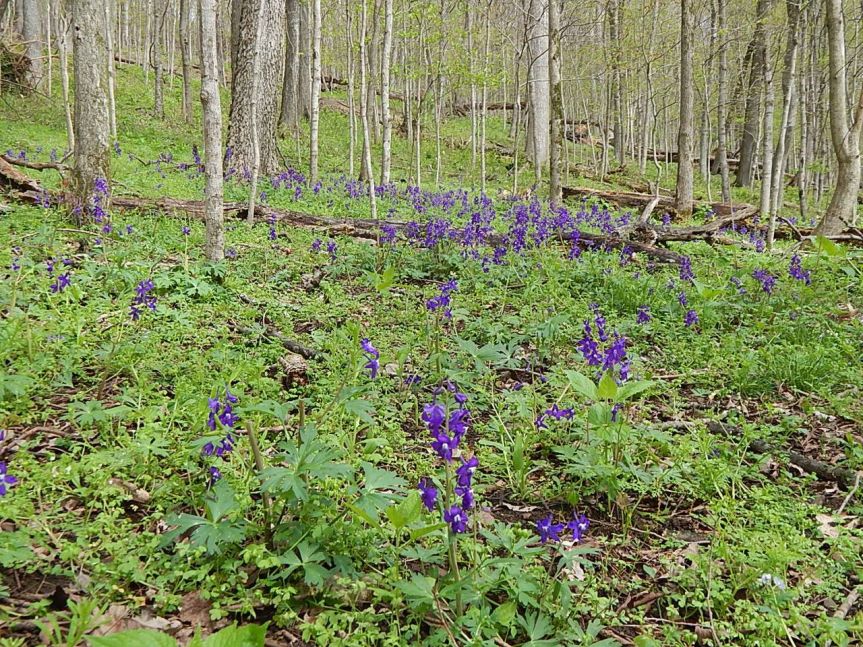
Radnor Lake posted pics of dwarf larkspur drifts, so I had to go. Flowers in blue and purple do exert a pull. Bluebell woods are the prime example, but dwarf larkspur is a biggie too, so to speak. Continue reading “Dwarf. Lark. Spur.”
If You Like Wisteria

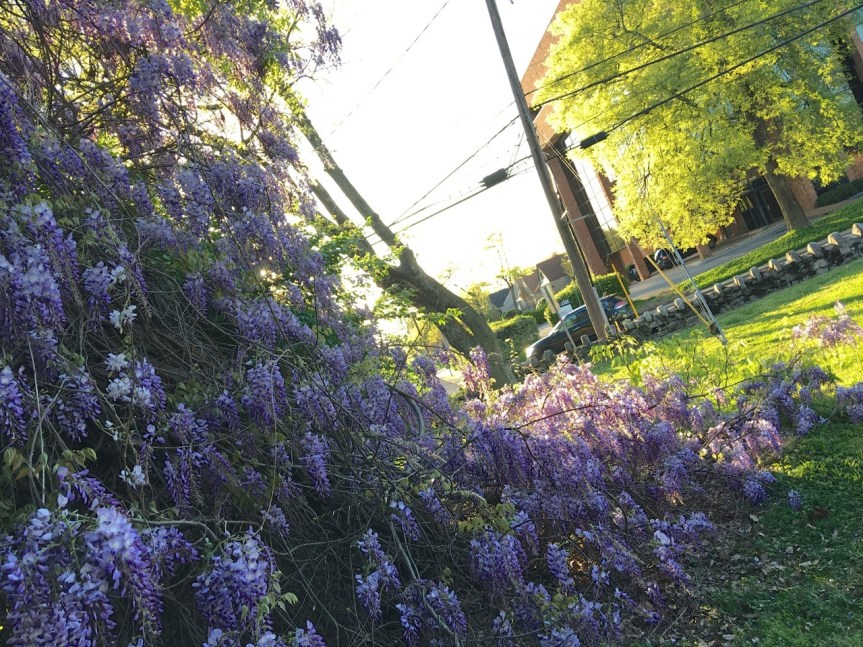
If you like wisteria,
If you can momentarily forget this is the exotic wisteria classed as invasive here,
If you need to lie on a blanket and see sky through cascades of blue-violet racemes,
and if allergies permit fragrance in Surround Sound,
go to the front lawn of the old Catholic Diocese on 21st Avenue South. Evening air intensifies the scent.
Little Miss Nomer: Baby Blue Eyes
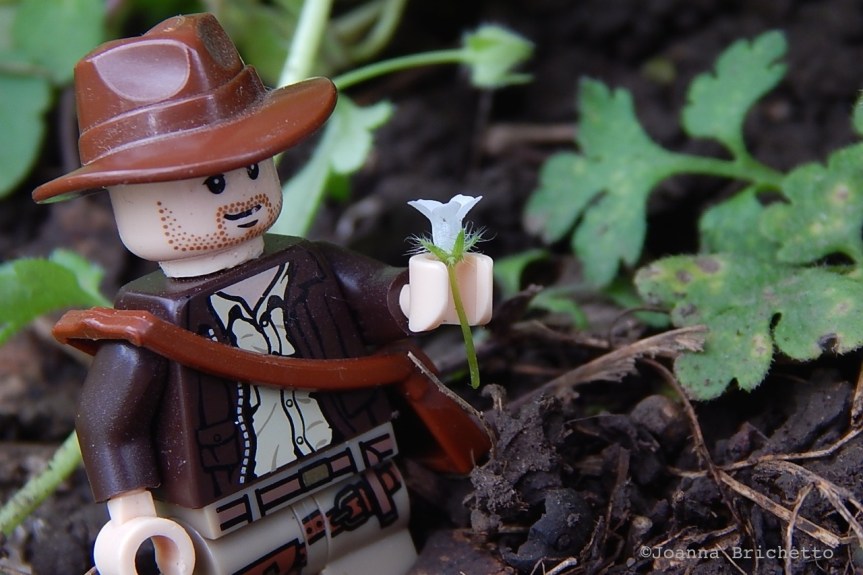
Here’s a spring flower so teeny you might never know it’s in the yard, but I bet it’s there. If you have a patch of the usual European yard weeds like speedwell and ground ivy, go look for this native one nearby. Continue reading “Little Miss Nomer: Baby Blue Eyes”
 SIDEWALK NATURE