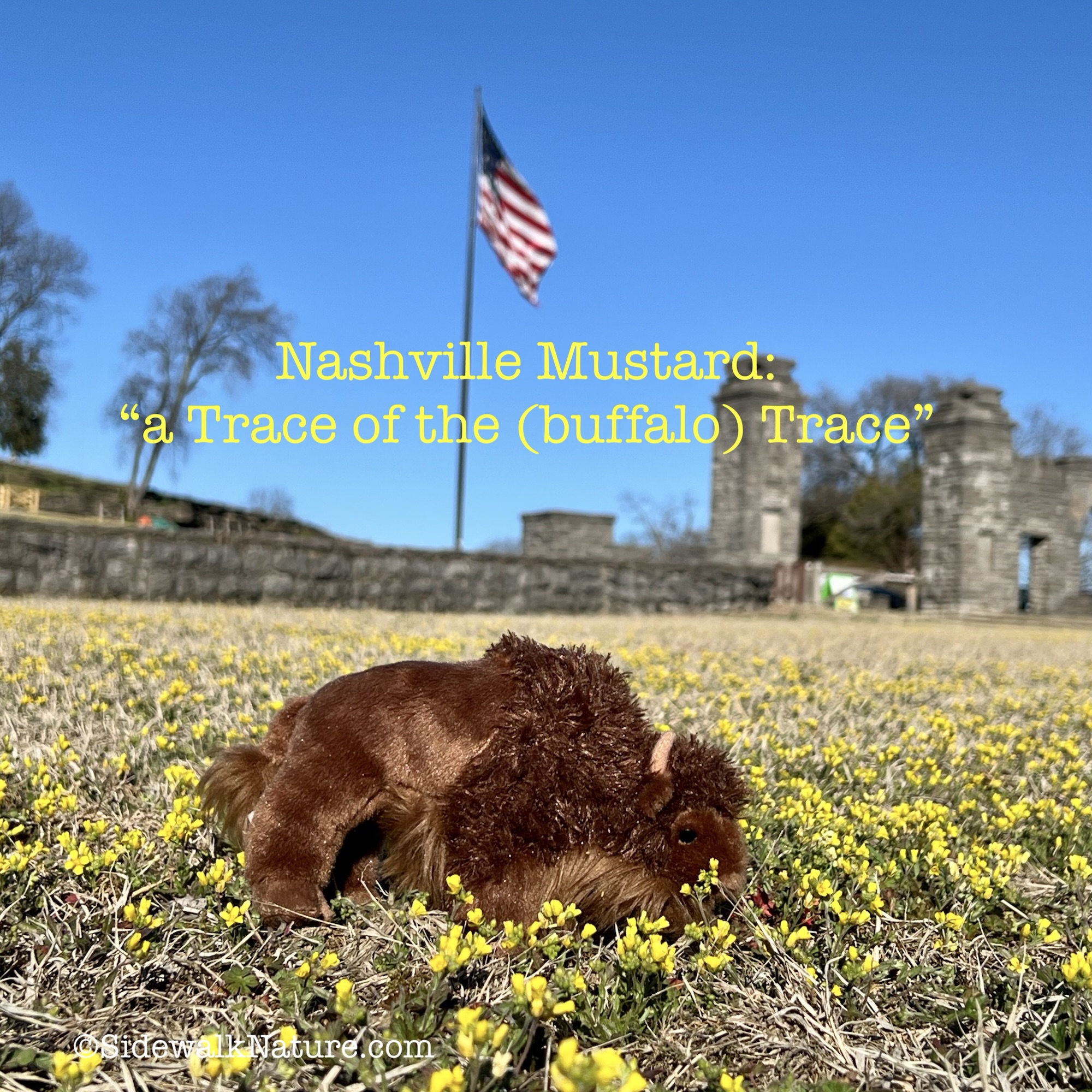
Nashville Mustard is blooming!
Want to Meet the Mustard?
Psyched for the superboom?
Wondering why this small flower is a big deal,
and what I mean by “Trace of the Trace?”
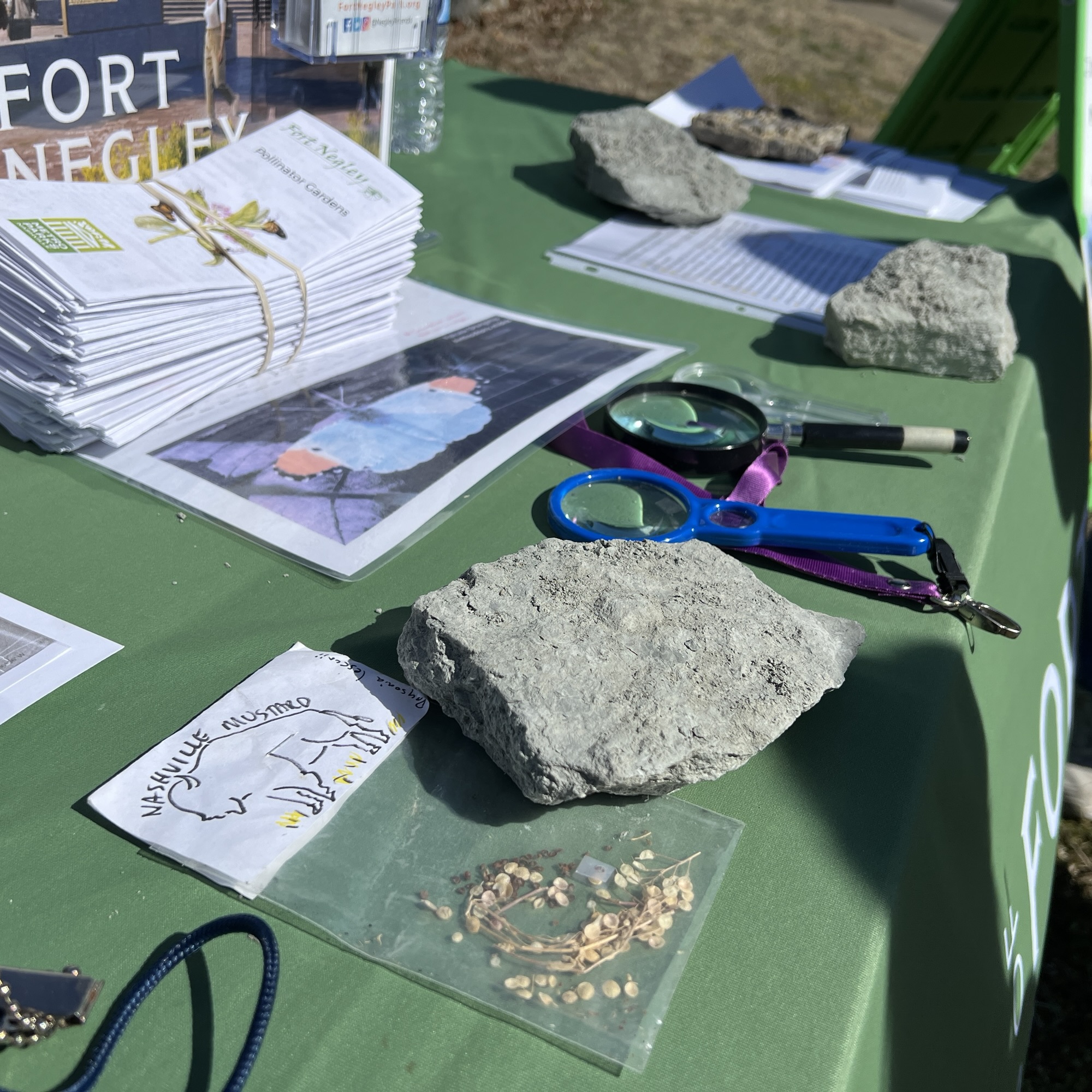
Drop by Fort Negley between 11am-1pm on March 8 and March 29th (2025) to find out. And keep reading…
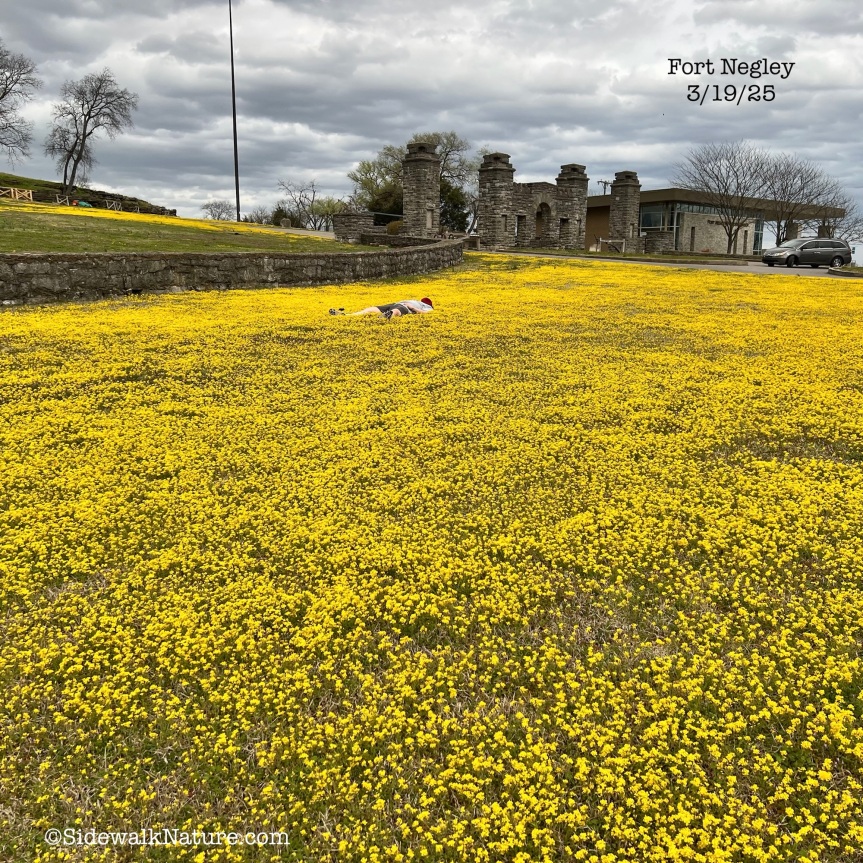
Here’s an update from our Meet the Mustard event from March 1:
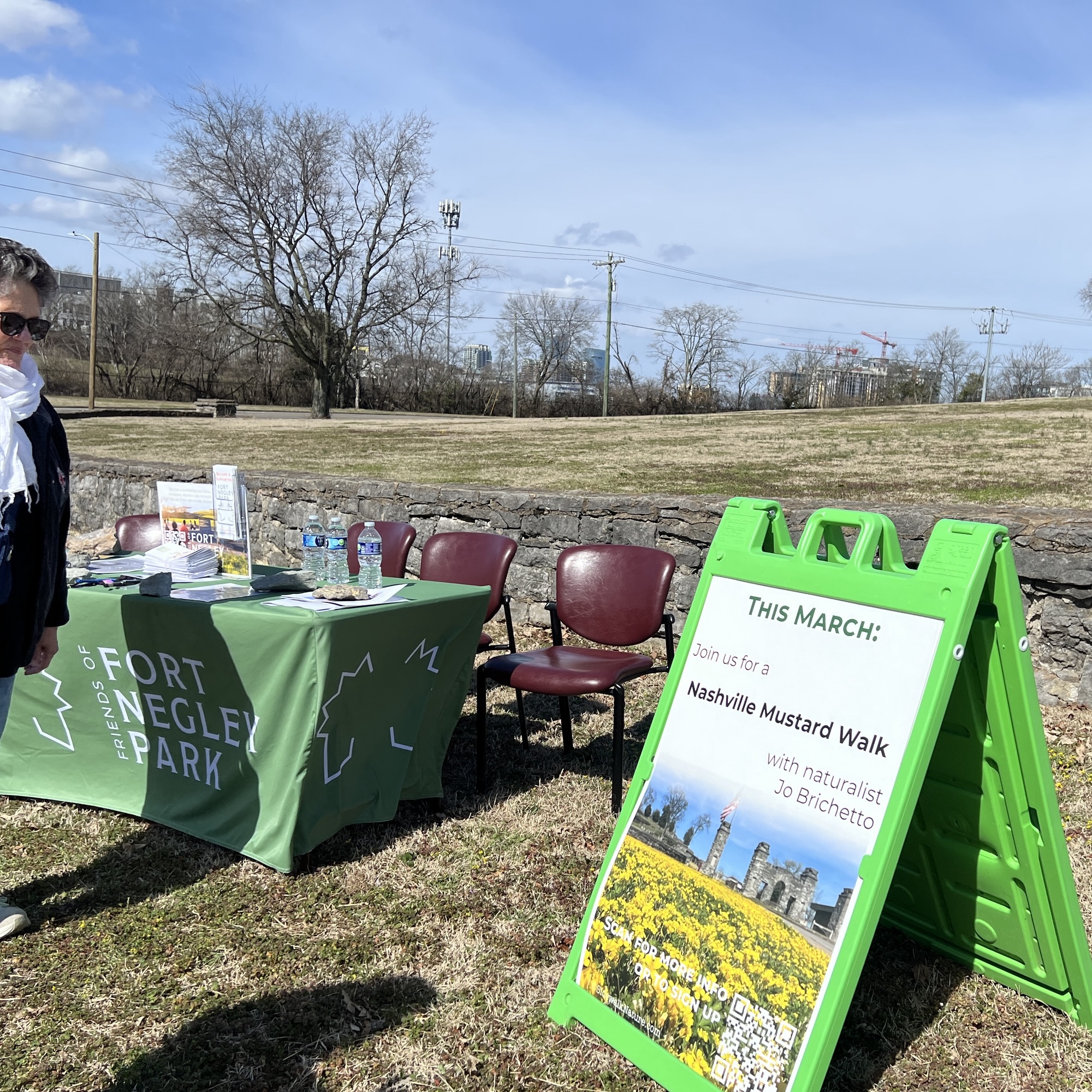
First: thank you, Director of Fort Negley Tracy Harris, and Friends of Fort Negley for the sign, table, and enthusiasm; thank you, Natalie for the publicity, and thank you, Sharron and Roxy, the two Board members who also staff Meet the Mustard. We’ll be there again on March 8 and 29th.
Fort Negley loves their Nashville Mustard. They’ve even altered the mowing schedule to let more flowers set seed.
Here’s the update from last Saturday, and preview of the next one:
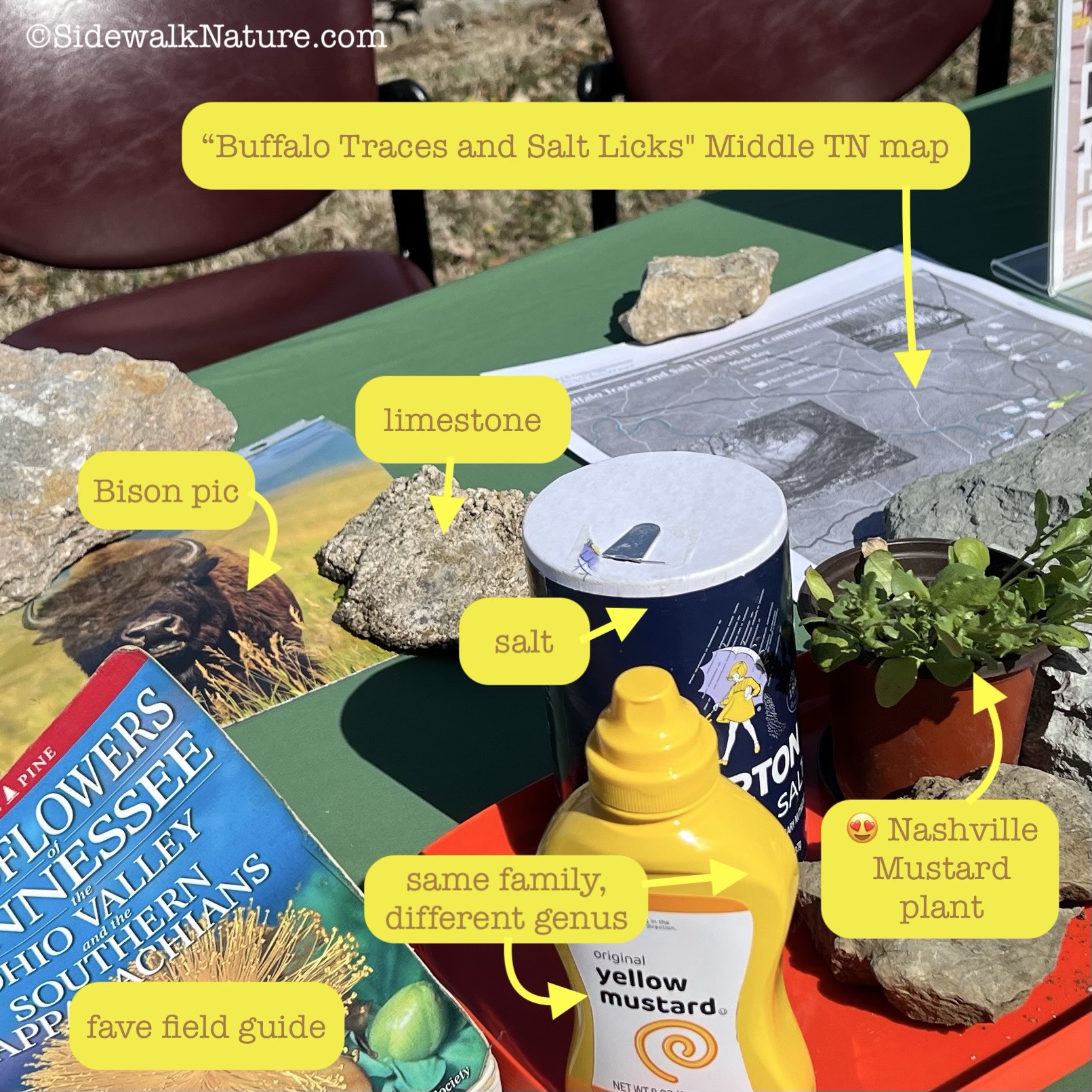
I brought some conversation starters^ . . .
. . . including a map of local Buffalo traces to show that all roads led to French Lick: the salt lick that made Nashville Nashville. (Near where Bicentennial Mall is today.)
Buffalo traces were used by Native Americans, then French traders, then Long hunters, then settlers, then toll roads, then us. Think Dickerson Pike1, Hillsboro Pike, Franklin Pike, Gallatin Pike, and others.
Nashville Mustard is a trace of those traces: a remnant of our former grasslands, and a reminder of where the buffalo roamed.
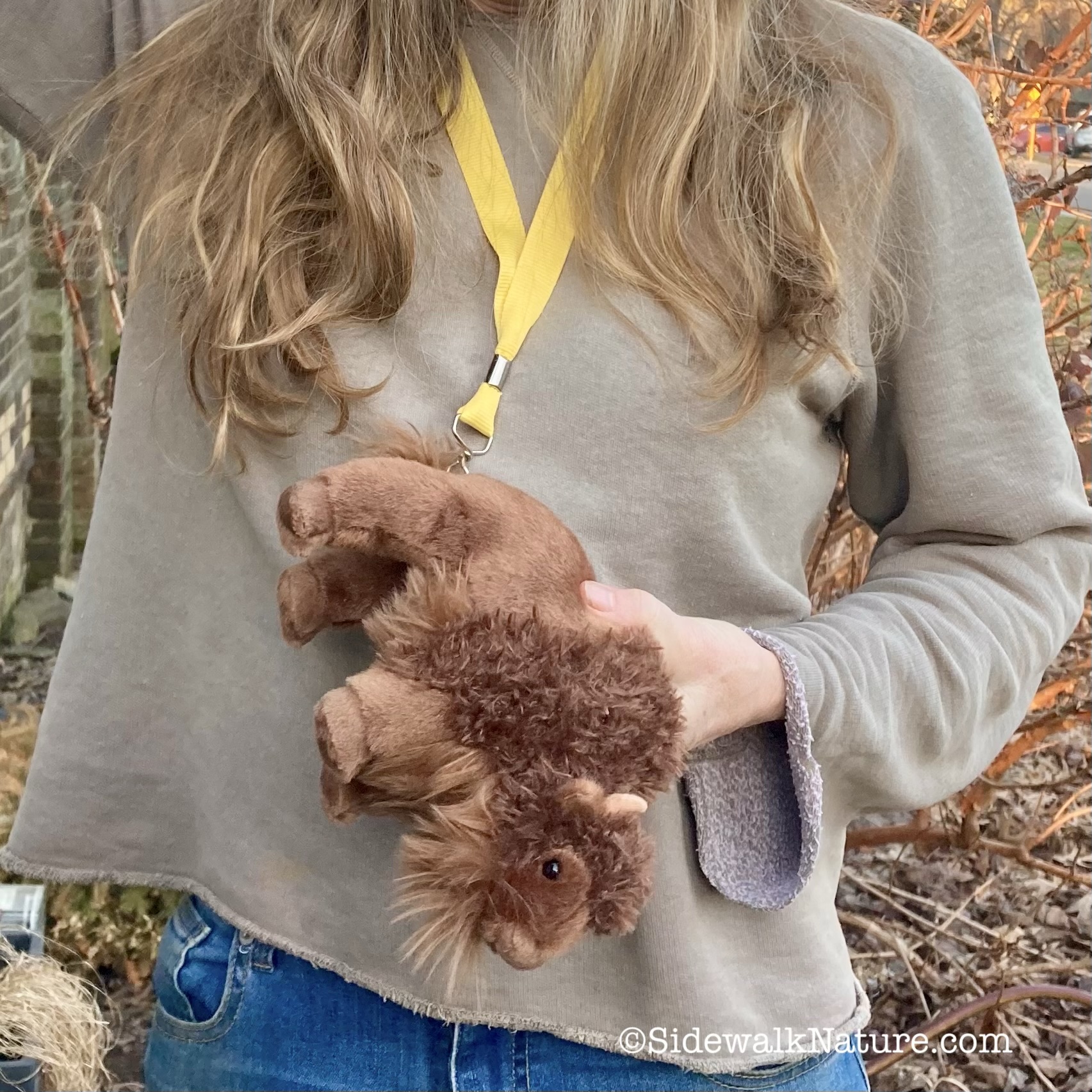
To be sure I remembered to mention the bison Saturday, I wore one:
Our local bladder pod / Paysonia species may even be the ONLY remnants: “Given the high amount of disturbance the basin has undergone since the late 1700s, it is possible that all remnants of former outer basin, deep-soiled grasslands have disappeared with the exception of the bladder pods. We will likely never know the true story.”2
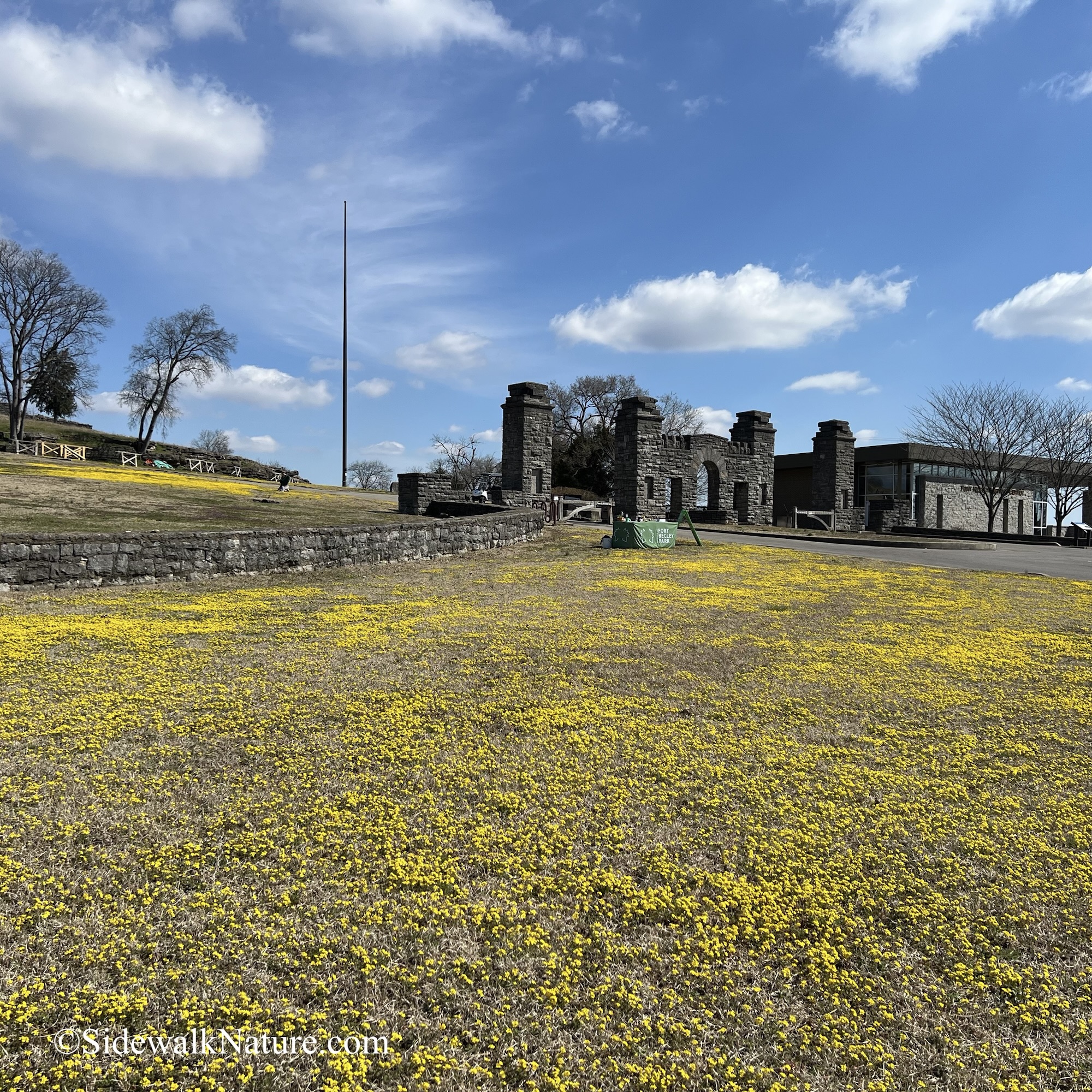
Nashville Mustard only blooms a few weeks, and now’s the time to go see it.
Where’s the Mustard?
It can show up in old, sunny lawns, too, usually near the Cumberland river or the old traces. (See below for other locations.) It’s been seen in lucky lawns in W. Meade, Belle Meade, Madison, E. Nashville, the Airport area and other spots, but **only** in lawns where lawn care crews do not apply herbicide and weed ‘n’ feed.
Herbicides kill Nashville Mustard, along with any other wildflower that isn’t a monocot or graminoid / grass-like plant.
Development also kills it, so we are lucky to have any yellow patches left.
We are also lucky that Metro Parks does not apply herbicides to their lawns. Park lawns must be tidy, but the older ones are a tidy mosaic of different grasses, sedges, wildflowers (native and not). This is a good model for homeowners: that lawns can be lawns without herbicides.

This year’s superbloom will likely be the second week of March. Every year is different. For pics and news of previous peaks, see earlier posts Nashville Mustard Tour: a Trace of the Trace,
Cutting the Mustard, and Nashville’s Mustard.
A field full of Nashville Mustard makes a great photo op for selfies, couples, groups, Easter pics, kids, pets.
Also, for raising Nashville Mustard awareness so we can keep what we’ve got.
Meanwhile, watch the yellow rev up in these Metro Parks:
Fort Negley, Reservoir Park, Elmington Park, Saint Bernard Park, Sevier Park, Warner Parks Steeplechase, and along certain bits of on I-24 and I-65: especially I-24 and Haywood Lane, 1-24 and Old Hickory, and the I-25/I-65 merge above Trinity Lane.
Also Madison Community Center, and Harpeth Greenway south and west of Rte 100.
Mustard Facts:
🌼Nashville Mustard (Paysonia lescurii) only grows in 10 counties of Middle TN: nowhere else in the world.3
🌼Plants and seeds are not sold anywhere in the world.
🌼The plant is a “Trace of the Trace:” a rare remnant of the grasslands where Buffalo made traces / trails to salt lick creeks: traces used by Native Americans, then French traders, then Long hunters, then European settlers, then toll roads, and are now many main roads in Nashville.
🌼Habitats include hillsides, flood plains, old fields (especially soybean), cedar glades, roadsides, vacant lots, and pastures. A sunny lawn, hellstrip, median, or right of way can suit it fine.
🌼It is a mustard in the Brassicaceae / Brassica family, a.k.a. the Mustard family, along with broccoli, radish, kale, etc. (Yellow table mustard (the condiment) is made from seeds of a Mediterranean species).
🌼Flowers have 4 petals, as do all plants in the Mustard family. They are shaped like a cross = cruciferous. Pollinated flowers become seed capsules / silicles / bladderpods that float! Each pod usually contains 2 little seeds.
🌼It is crucial food for early pollinators and herbivores.
🌼It is an winter annual that blooms towards the end of February, but only for a few weeks. After setting seed, the plant dies. Seeds germinate in late summer/ early fall, and overwinter as a small, green rosette.
🌼The flowers smell like honey, especially in a warm breeze.
🌼It thrives on disturbance but only in certain stages of development. Bison feet, wallows, and periodic flooding helped bladder pods disperse and germinate. There is no management protocol for P. lescurii.
🌼Lawn herbicides, weed ‘n’ feed, and mower blades set lower than 4” kill this and other native wildflowers! Please check your lawncare contract and cancel all herbicides and pesticide treatments: you’ll save money and many little lives.
Notes:
- If you haven’t seen the bison statues in the median of Dickerson Pike, please do. (link w pics and info at Nashville Public Art)
- Middle Tennessee was a grassland? Let Southeastern Grasslands Institute tell you all about it, starting with “A Guide to the Grasslands of the Mid-South” here.
- Some sources say P. Lescurii also grows in Kentucky and Alabama (one county each), but according to “Update on the Distribution of the Narrowly Endemic Paysonia Lescurii” (2017) by Edward W. Chester(link), the Kentucky population hasn’t been seen since 1985, and the herbarium specimen from Alabama was likely misidentified. So, the entire current, documented range of Nashville Mustard is still just 10 counties in Middle Tennessee.
- Species account at NatureServe, link.
- Two other middle TN Paysonia species are listed as Federally and State “critically imperiled:” P. perforata (Spring Creek bladderpod) and P. stonensis (Stones River bladderpod).
P. densipila (Duck River bladderpod), and P. lescurii (Nashville Mustard) are both listed as Globally vulnerable (G3) and State vulnerable (S3): “rare and uncommon in the State.”
(source: NatureServe).
More
SidewalkNature:
-Follow me on Instagram or Facebook, where posts are 100% nature.
-Subscribe to Sidewalk Nature to get an email when I update. I never share your info.
SUBSCRIBE
-General comment or question? Click Contact.
-Corrections, suggestions, new friends always welcome.
Bio:
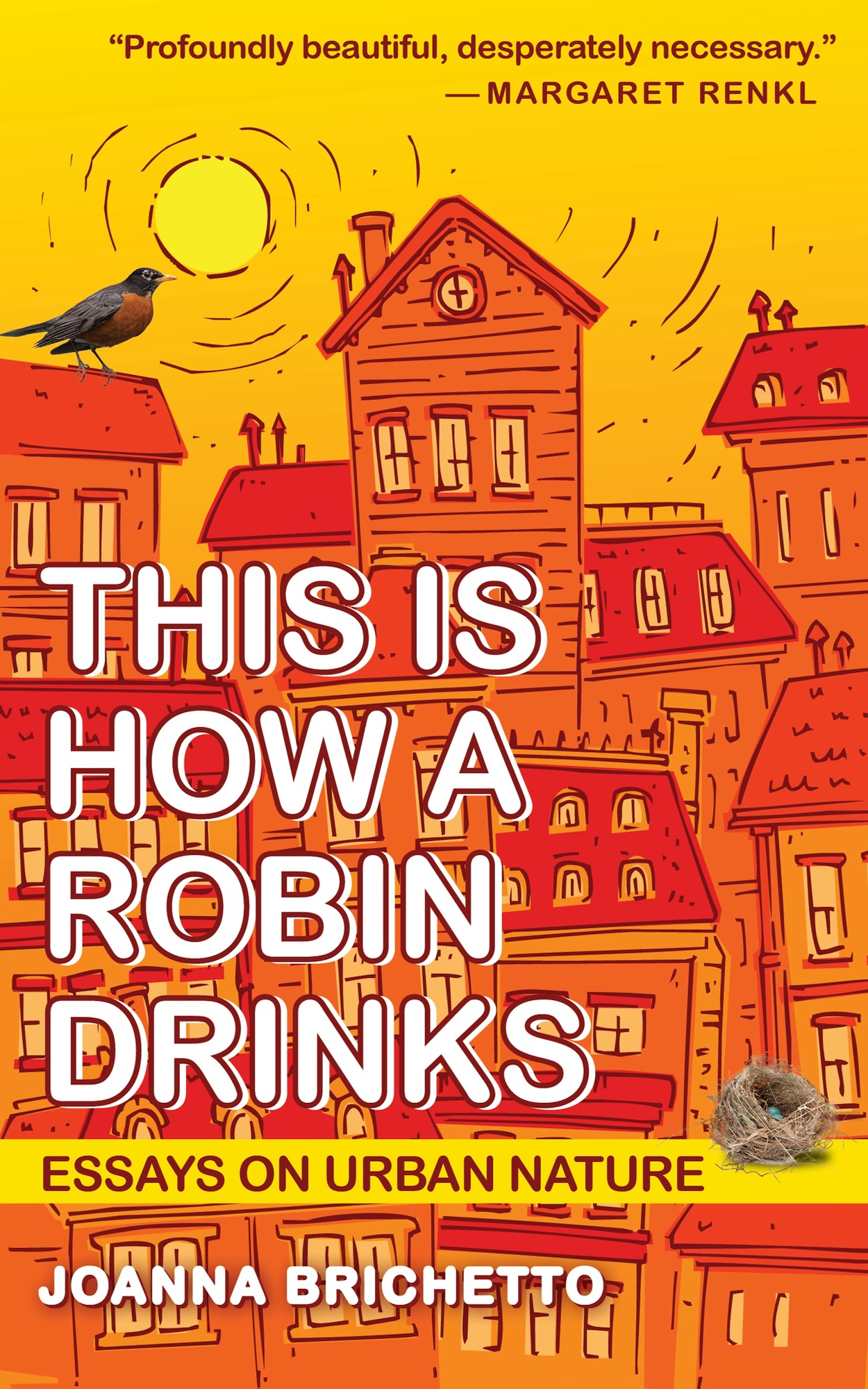
Joanna Brichetto is a naturalist and writer in Nashville. Her book, This is How a Robin Drinks: Essays on Urban Nature, is an almanac of 52 true stories about the world “under our feet, over our heads, and beside us; the very places we need to know first.” She’s at work on her second book, “The Hackberry Appreciation Society,” and you can find her at SidewalkNature.com (“Everyday wonders in everyday habitat loss”) and on Instagram @Jo_Brichetto.
 SIDEWALK NATURE