Cicada update: babies

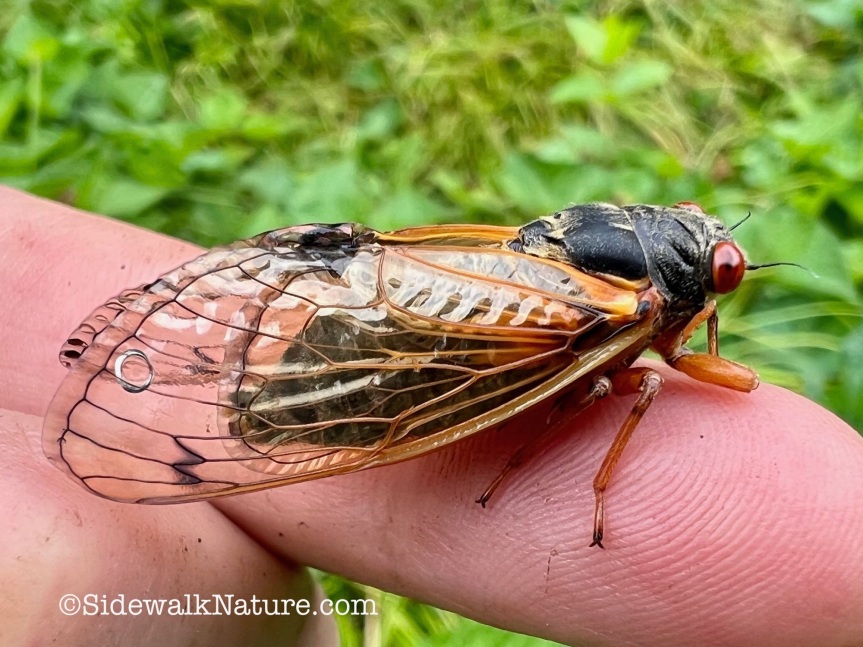
Look who hatched today! The first baby of Brood XIX periodical cicadas! With lots of luck, this new nymph will survive the next 13 years underground, then emerge and molt into adulthood in May 2037. Right now, it is barely bigger than the egg it came from, but you can see six legs, two antennae, and cute little eyes. 

Part of that luck starts with the egg itself. If eggs are deposited in a twig that snaps, browns, and hangs (“flagging”) or in a twig that breaks onto sunny lawn, the eggs are not likely to survive. They dry out if not protected by living plant tissue. And then, at hatch time, if a nymph drops to any other surface but soil, it is doomed. And if the merest breeze wafts it to the roof, driveway, bird bath, street: doomed. And if it gets mown, trimmed, blown, sprayed w/ any pesticide: doomed. And if it gets spotted by even one of a zillion predators above-ground or below: doomed. 
Good luck, little cicada!

New nymphs will be hatching for several weeks now, so watch for falling, tiny, white creatures. I’m pinning black t-shirts to the clothesline, the better to spot the contrast. I’m also watching our dog’s black-furred back as we walk her, in case neighborhood nymphs drop on for a ride.

Continue reading “Cicada update: babies”

Periodical Panic: Why Not To

Nashville’s 13-year periodical cicadas are coming this May, but what’s already here is panic. 

For months, worried people have been asking about the 2024 “invasion.” Should they cover their trees? Should they wait to plant new trees? Should they reschedule outdoor events, and even indoor events? Will there be “too many” cicadas? No. The answer to all these questions is “no.” 

3 reasons not to panic about “too many” cicadas:

Continue reading “Periodical Panic: Why Not To”

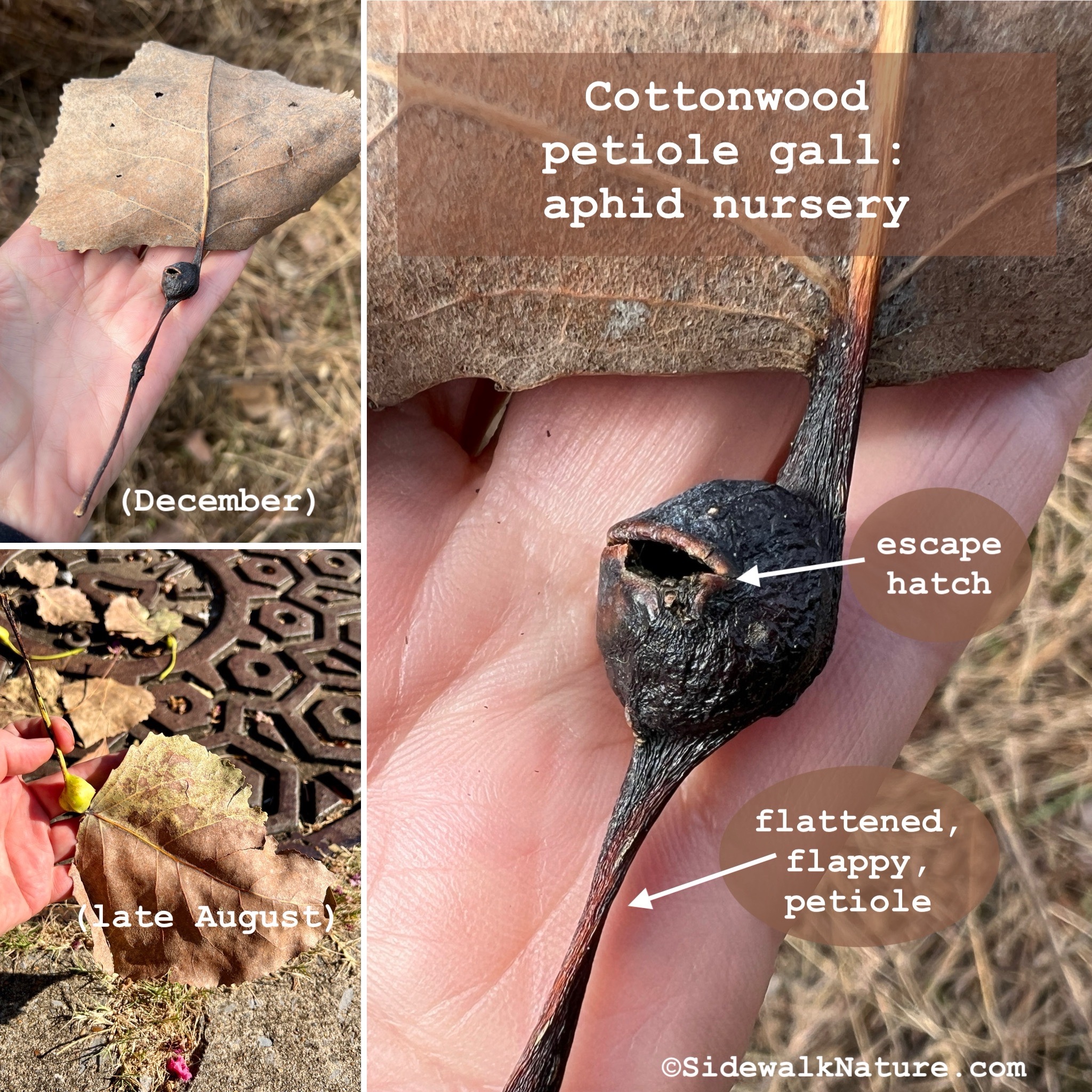
Cottonwood petiole gall

Underneath Cottonwood trees right now, you might find leftover leaves. They tell a story. A strange story.

It’s the story of a particularly interesting aphid. Virgin birth! Live birth! Eggs! Wings! No wings! Sexual! Asexual! Above ground! Below ground! Sucking mouthparts! No mouth at all!
These aphids do it all.

Continue reading “Cottonwood petiole gall”

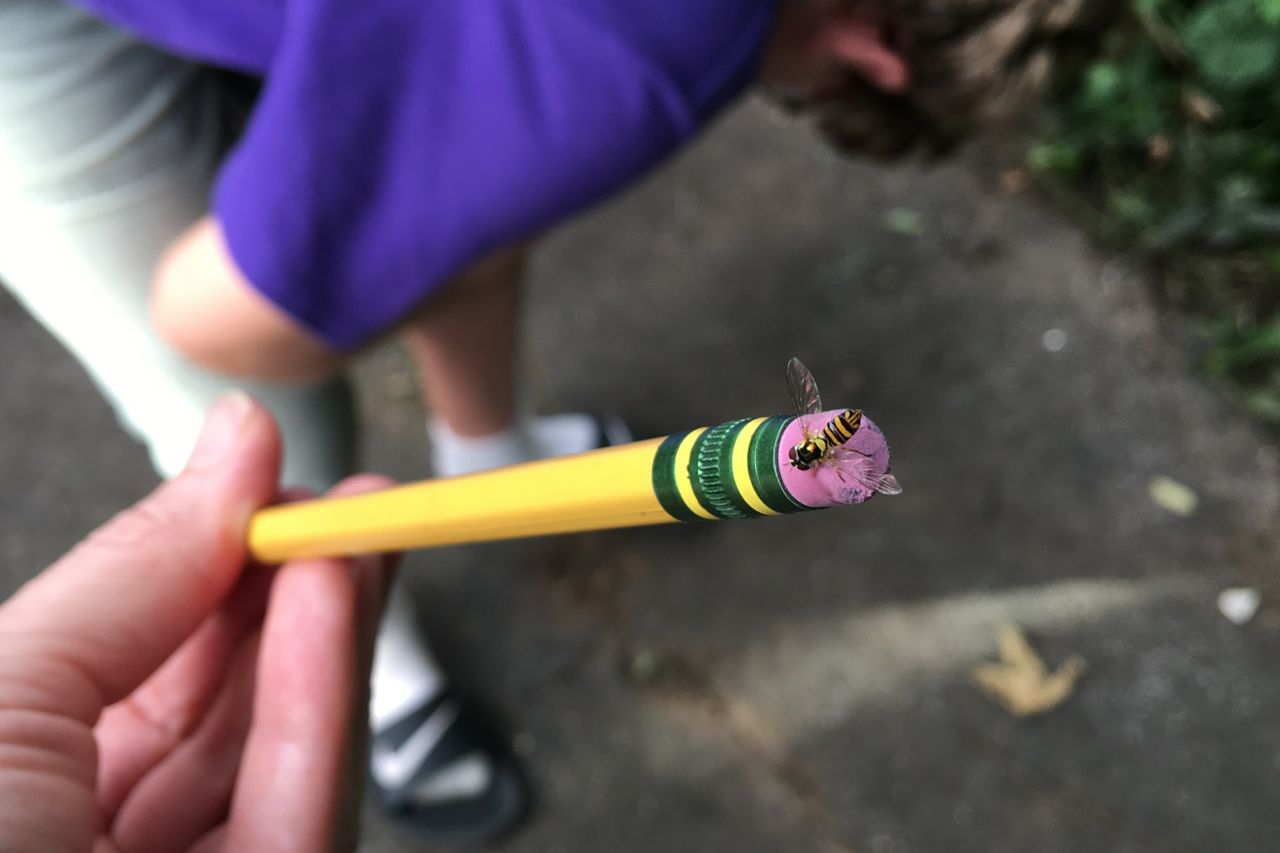
Driveway Hoverfly

hover fly
hoverfly

Here’s a “driveway moment,” but not the National Public Radio kind:*

After hovering around our faces for a comically long time, this little hoverfly decided the most attractive thing in the driveway was the eraser of a new Ticonderoga pencil. It hugged the pink tip while we examined it (such big eyes you have!), while we took photos, while we passed it between us, and even after we had to set the pencil on a rock because our hands had gotten tired.
Continue reading “Driveway Hoverfly”

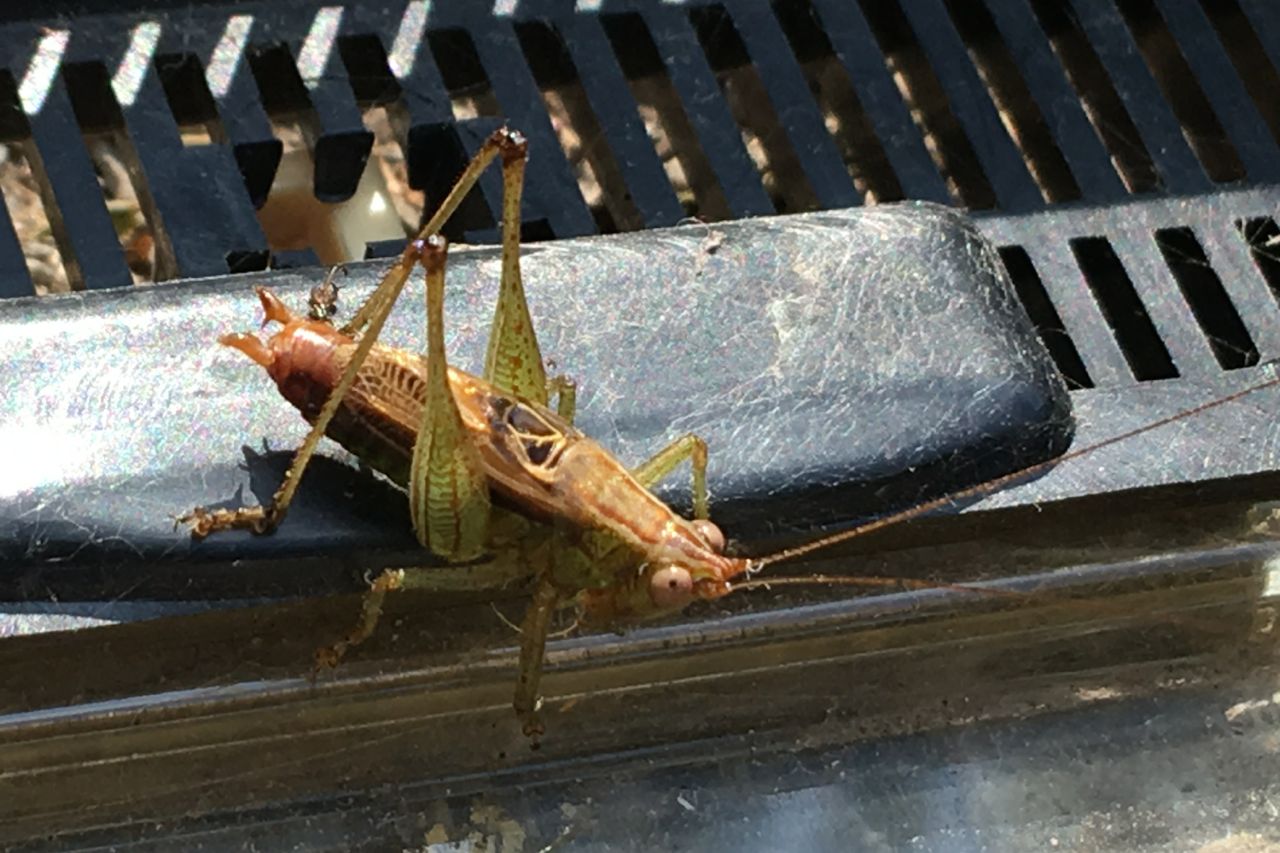
Meadow Katydid (in the driveway)

Meadow Katydid .jpg
the antennae go on and on, out of frame

I grew up thinking there was one kind of katydid: the big green jobs that sang their name at night. But apparently, there are oodles. We found this one, a Meadow Katydid (Conocephalis nemoralis?), lounging under the passionvine in the driveway. It didn’t seem to mind being borrowed for observation. It groomed itself nonstop in the cage, flicked its crazy-long antennae like an fly-fisher casting for trout, and sort of murmuredContinue reading “Meadow Katydid (in the driveway)”

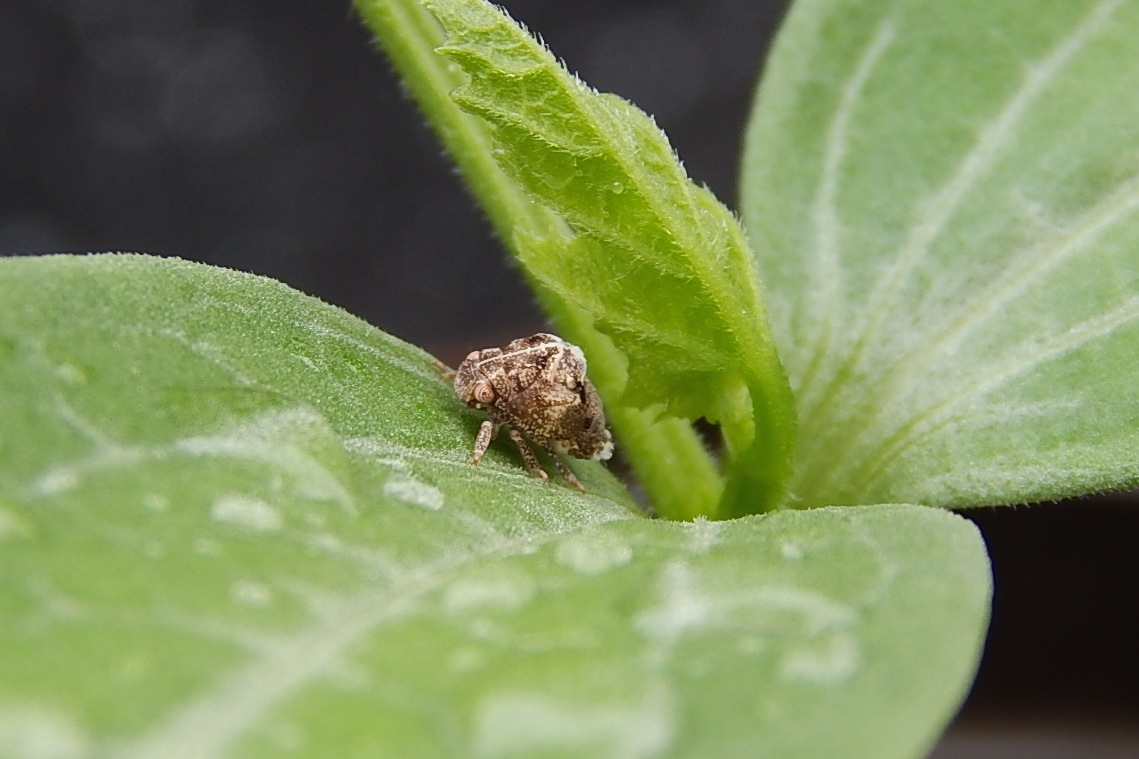
Red-shouldered bugs and a fresh assassin

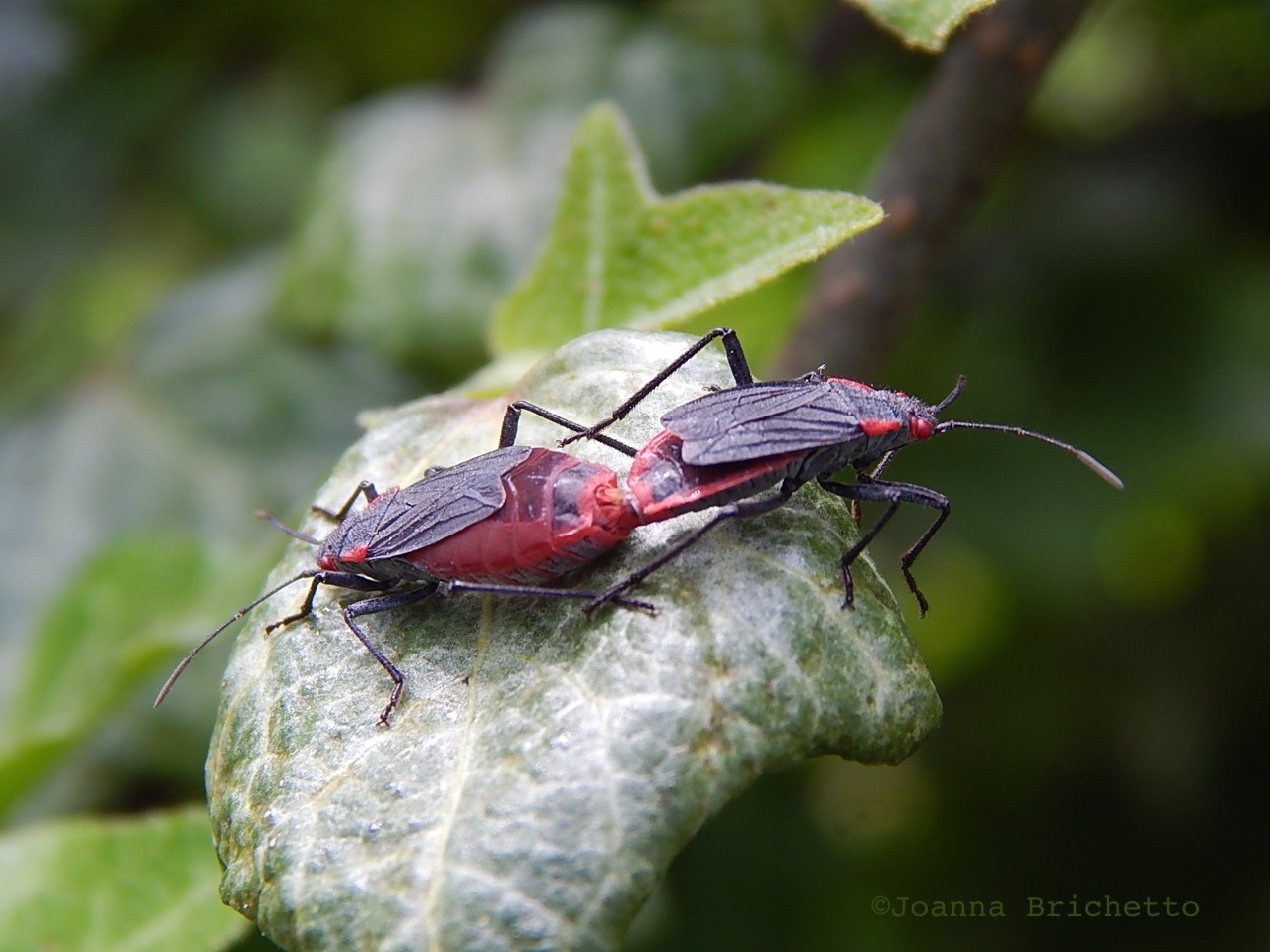
red shouldered bugs

I knew they weren’t box-elder bugs, but what? Hundreds and hundreds were mating and scurrying about on a (stupid) bush honeysuckle covered with (stupid) English ivy. So I type “red shoulder bug,” into BugGuide and guess what they are?
“Red-shouldered Bugs.” Continue reading “Red-shouldered bugs and a fresh assassin”